
Table of Contents
Think back to the moment you first successfully tied your own shoes. Or the day you managed to get dressed all by yourself. Remember that feeling of accomplishment, of “I did it!”? Those seemingly small moments are giant leaps in a child’s development. So, when should we teach self help skills? The answer is simple: as early as possible. Self-help skills are the foundation for confidence, independence, and a lifelong love of learning.
Why are self-help skills important in early childhood?
Studies consistently link delays in self-help skills with poorer social skills, behavioral challenges, and lower academic readiness upon entering school. On a positive note, supporting self-help development has proven to have a cascading effect, improving overall performance and well-being in young children.
Self-help skills, those routine activities of daily living like eating, dressing, and using the toilet, might seem basic. But for young children, they’re monumental developmental milestones. Here’s why they matter:
Empowerment and Confidence: A child who successfully puts on their own socks without help radiates pride. This accomplishment boosts self-esteem, giving them the confidence to tackle new challenges. It fosters an “I can do it!” attitude that impacts every aspect of their life.
Problem Solving and Resilience: Self-help skills aren’t always mastered instantly. A toddler struggling with a zipper learns how to approach a task differently, think creatively, and persist until they succeed. This builds resilience and problem-solving skills that translate to future academic and life challenges.
Cognitive Development: Simple actions like getting dressed or brushing teeth involve serious cognitive power. Children practice sequencing (steps in order), fine motor skills (coordinating tiny buttons!), focus, and task completion. These activities are essentially workouts for the developing brain.
Independence and Responsibility: Self-help skills are the first steps towards true independence. A child who can manage their own bathroom routine or prepare a simple snack is less reliant on adults, boosting both personal freedom and a sense of responsibility for themselves.
Preparation for School Success: Kindergarten isn’t just about letters and numbers. Children who enter school already able to independently use the bathroom, manage their outerwear, and open their lunch containers have a significant advantage. It reduces classroom disruptions and frees up teachers to focus on learning.
Social and Emotional Growth: Being able to take care of basic needs opens the door to positive social interactions. A child who doesn’t need constant help from adults is better able to engage with peers, play independently, and form healthy friendships based on shared experiences.
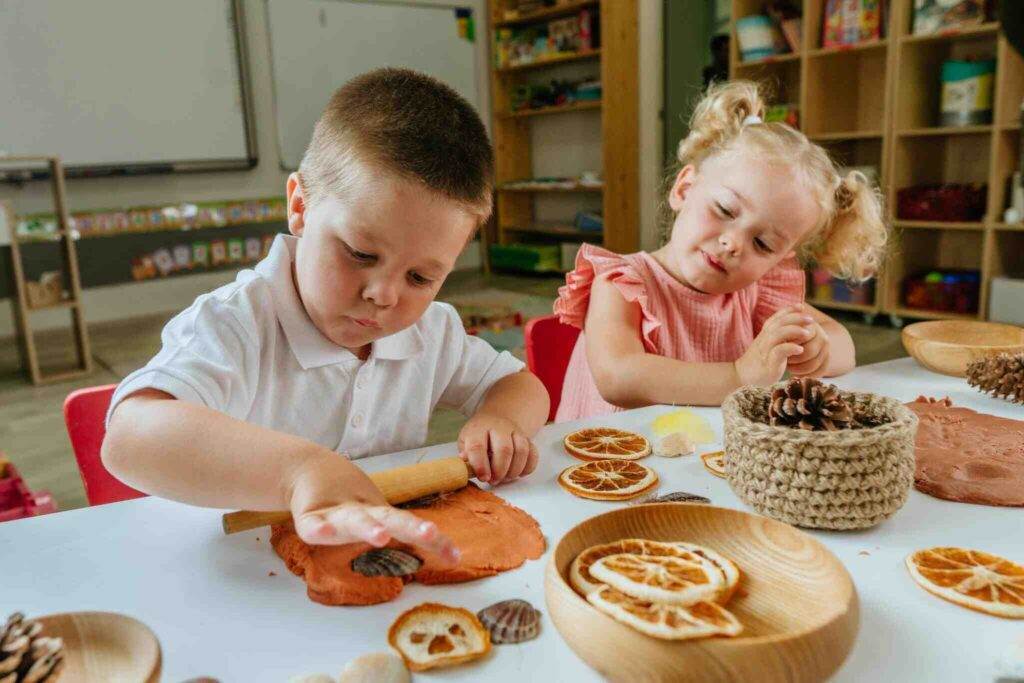
When should we teach self help skills?
The moment a child starts showing interest is the perfect moment to begin teaching self-help skills. Yes, even babies and toddlers! While they won’t master complex tasks instantly, fostering that desire to “do it myself” early on is key.
The perfect time is…right now! Even babies and toddlers are already beginning to learn the basics of self-care. As they grow, their abilities expand. Here’s a rough timeline:
- Infancy: Even young babies start to participate in simple routines like burping, holding their bottle, or lifting their feet during diaper changes.
- Toddlerhood (1-3 years): This is prime time! Toddlers are natural explorers who want to try everything themselves. Support their efforts in feeding, dressing, and basic hygiene.
- Preschool (3-5 years): Children crave more independence. Build on existing skills and introduce more complex tasks like buttoning clothes, brushing teeth without help, and setting the table.
Why Start So Early?
Brain Power: Young children’s brains are incredibly adaptable. Every time they tackle a new challenge, whether it’s feeding themselves or sorting their toys, they’re building neural pathways that will serve them for life.
The “I Can!” Attitude: Early success with self-help tasks ignites a child’s confidence. That feeling of “I did it myself!” lays the groundwork for a positive attitude about learning and a belief in their own abilities.
Beyond Just Tasks: Don’t think of self-help skills as just getting dressed or using the toilet. These are exercises in problem-solving, perseverance, critical thinking, and the joy of independence – skills that pay off in all areas of their development.
Age is Just a Number (Sort Of): While some skills have natural developmental timelines (most toddlers won’t master tying shoes on their own), don’t underestimate young children’s ability to start the learning process far earlier than many expect.
Babies Love to Participate: Even tiny infants can grasp a rattle, hold their bottle during feeding, or help with diaper changes by lifting their legs. This early involvement builds a foundation.
Toddlers Crave Control: The “terrible twos” are often driven by a desire for independence. Channel that energy! Offer choices within a skill (“Blue shirt or red?”) and let them struggle a little (we learn by doing!).
Preschool is Prep Work: Getting dressed, handwashing, and basic mealtime skills make the transition to a classroom setting smoother, letting kids focus on learning, not logistics.
Remember. teaching self-help skills is a journey, not a race. Celebrate every small victory and let your child’s enthusiasm be your guide!
Why is self-help a common goal in early childhood settings?
Imagine two toddlers playing – one who needs constant help with their coat, snack, and spills, and one who can take care of these small tasks on their own. The independent child is more likely to experience uninterrupted, focused playtime, fostering stronger social connections with fewer frustrations.
From daycares to preschools, early childhood educators recognize the importance of self-help skills. Here’s why they focus on these skills:
1. Classroom Efficiency & Focused Learning:
When children master basic self-care, educators spend less time tying shoes, opening snacks, and managing bathroom routines. This frees up valuable time for intentional teaching, individualized support, and richer learning activities.
For example: In a classroom where most children can wash their hands independently, the teacher can focus on a planned science experiment about water instead of spending time at the sink with each student.
2. Building a Classroom Community:
Self-sufficient children are better equipped to take part in the classroom community. They are less reliant on teachers, giving them space to initiate cooperative play, engage in helping roles during cleanup, and build peer relationships.
For example: A child who can manage their coat can participate in outdoor transitions easily, increasing unstructured playtime where important social interactions occur.
3. Preparing for Kindergarten Success:
Kindergarten has expectations beyond just ABCs. Children must manage belongings, follow classroom routines, and care for physical needs with minimal assistance. Preschools and daycares build this foundation early.
For example: A child who arrives at kindergarten knowing how to open their lunchbox independently can focus on the social aspects of mealtime instead of needing teacher assistance with the basics.
4. Fostering Lifelong Habits:
Early childhood is a prime time for establishing healthy patterns. Self-help skills instill routines of hygiene, proper nutrition (through meal prep participation), and personal organization that carry well into adulthood.
For example: A daycare where children assist in setting the table and tidying up toys builds a sense of order and responsibility that impacts how they organize their own spaces later in life.
5. Addressing Diverse Needs:
Even in a group setting, encouraging self-help skills allows for individualized attention. Children who master basics early can focus on more complex challenges, while those needing more support receive targeted help from the teacher.
For example: In a mixed-age preschool classroom, a child already potty-trained can focus on hand-washing mastery, while a younger peer gets one-on-one support from the teacher with toileting skills.

How do you teach self-help skills?
Teaching self-help skills takes patience, praise, and a sprinkle of playfulness. Here are key strategies:
1. Start small and celebrate wins:
Introduce skills one at a time, focusing on a single step (like taking pants off) before adding more complexity. Enthusiastically acknowledge even the smallest attempts!
Focus on single steps: Instead of overwhelming a child with “Get dressed,” break it down: “Let’s start by taking your pajamas off. Can you pull your pants down?” Once that’s mastered, move to putting on one sock, then both, etc.
Age-appropriate milestones: A toddler might focus on removing socks, while a preschooler aims to put on their shirt independently. Target skills that are challenging, yet achievable with a little support.
Big cheers for small victories: Did they manage one arm in a sleeve? Woohoo! Enthusiasm is contagious, making the child want to try harder. Phrases like “You’re getting so strong!” are far more motivating than focusing on what they didn’t do.
2. Visuals are your friend:
Charts with pictures, step-by-step photos, or even short videos can help children follow the process, especially for visual learners or those who struggle with verbal instructions.
Charts for routines: Picture charts showing each step of handwashing posted by the sink make it easy to follow independently, even for pre-readers. These are especially helpful in group settings.
Dressing guides: Have a visual of a t-shirt laid flat, with an arrow showing “head goes here” for orientation. This clarifies what “front” and “back” mean in practice.
Photo stories: For complex tasks with many steps (setting the table), take photos of yourself doing each one. The child can use them like a recipe book, building confidence and ownership.
3. Backward Chaining:
Start with the task almost finished. Help a child put on their jacket and let them zip the last few inches. This builds early success and motivates them to take on more from the beginning.
The power of the last step: By zipping the last bit of a jacket, or buckling their own seatbelt, the child gets the satisfaction of a job ‘finished’. This builds the desire to take on more from the start.
Gradual independence: Each time, assist a little less. Start with the jacket fully on, then leave them to zip. Next time, help them get arms in, but let them zip, slowly reducing your role until they initiate it themselves.
“I finished it!” confidence: This technique provides frequent feelings of accomplishment, which are key to maintaining a child’s willingness to persevere through the learning process.
4. Make it Accessible:
Ensure the environment is set up for them to help themselves. Low hooks for jackets, reachable snacks, child-sized cleaning tools – they can’t succeed if they can’t reach things!
Low and behold: Low hooks for coats and backpacks so kids don’t have to ask for help reaching. A small stool in the bathroom makes sink access easier.
Snack station: Have a designated bin of healthy snacks kids can grab themselves, promoting independence during hunger pangs.
Their own tools: Child-sized brooms, dustpans, and watering cans tailored to little hands allow them to truly participate in chores instead of just pretending.
5. Narrate your Routine:
Explain steps out loud as you do your own chores: “First, I open the soap bottle, then I wet my hands…” This models the process and helps kids understand the logic behind actions.
Think out loud: As you cook dinner, say “I’m stirring the pot so the food doesn’t stick. Then I’ll set the timer so we know when it’s done!”
“Why” behind the action: It’s not just what you do, but why you do it that children absorb. Explaining the purpose makes it meaningful, not just a random rule to follow.
Invitation to join: After narrating your own task, suggest a parallel one for the child: “Could you stir the water in this bowl, just like I’m stirring the soup?”
6. The “Oops!” opportunity:
Cleaning up their own messes teaches children natural consequences. Doing it themselves creates a stronger connection between cause and effect than simply having an adult swoop in. It also removes the accidental shame associated with spills, which can make self-care tasks feel daunting.
Example: A toddler knocks over their water cup. Instead of saying, “Don’t worry, I’ll clean it!”, try “Looks like we need a towel! Can you show me where we keep those?” This teaches the logical steps of fixing a problem while reinforcing a sense of responsibility.
Age-appropriate adaptations: A two-year-old may simply hand you the towel, while a preschooler could actively help mop up the spill. Adjust expectations based on their abilities.
7. Sing!
Songs and chants engage a different part of the brain than spoken instruction, often making the information “stickier”. Plus, it boosts mood, decreasing frustration and making routines less of a chore.
Example (Handwashing Song – tune of “Twinkle, Twinkle”): “Soap and water, rub my hands, Get the germs off, make a plan.
Between my fingers, thumbs up high, Rinse and dry, then say goodbye!”
Get creative: Don’t worry about being the next pop star. Silly rhymes work best – a made-up tune about finding the right shoes is more memorable than a complex melody.
8. Choice matters:
Young children crave control, and battles often stem from feeling powerless. Offering limited, appropriate choices within a task makes them feel heard and respected.
Example (Dressing): Instead of declaring “Time to get dressed!”, lay out two weather-appropriate shirts and say, “Would you like the blue shirt or the red shirt today?”
Level up the choices: As skills improve, you can increase complexity: “Do you want to put on your socks or pants first?” This still focuses on the task but gives them more agency.
9. Patience is the key:
When adults rush in, it sends an unintentional message that we don’t believe the child is capable. Patience communicates trust in their ability to learn, even if it takes longer.
Realistic Expectations: Plan for the extra time! Rushing kids through self-help tasks backfires, leading to tantrums and a negative association with the skill itself.
Example: If mornings are chaotic, wake up 15 minutes earlier to build in time for your child to dress themselves with minimal assistance. This sets the day up for success rather than a power struggle.
10. “Help me help you”:
Blanket requests for help can be overwhelming for a child. This pinpoints their struggle, preventing frustration and teaching focused problem-solving.
Example: Child struggles with a zipper, simply stating “I need help!”. Instead of zipping for them, ask: “Should I hold the jacket still, or help you guide the zipper?”
Adapting as they grow: The type of aid you offer will shift with the child’s skill level – a toddler might need hand-over-hand guidance, a preschooler just a verbal hint.
ALSO READ: AVERAGE AGE OF SPIRITUAL AWAKENING
Start Today, Build for the Future
Teaching self-help skills is an investment that pays dividends for a lifetime. And now you know, when should we teach self-help skills? By starting early and offering support along the way, you’ll empower your child to take on the world with confidence and independence. Remember, every little step is a great leap forward!
Author
-
 Lisa Arien is a and lead writer at Self-Help Powers, where she merges her with real-world experience to help readers achieve lasting personal growth. Known for her ability to simplify complex psychological concepts, Lisa empowers individuals to turn self-awareness into action. Her insights have been featured in , establishing her as a trusted guide in the field of self-improvement.

Author
-
Lisa Arien is a and lead writer at Self-Help Powers, where she merges her with real-world experience to help readers achieve lasting personal growth. Known for her ability to simplify complex psychological concepts, Lisa empowers individuals to turn self-awareness into action. Her insights have been featured in , establishing her as a trusted guide in the field of self-improvement.


