Setting Your Path to Success

Table of Contents
Are you feeling a bit lost in your career journey? Don’t worry; you’re not alone. Many of us have been there. One powerful way to give your career direction and purpose is by setting clear and achievable career goals. These goals can help you stay motivated, focused, and on track as you work toward your dreams. In this blog, we’ll explore examples of career goals that can inspire you to take charge of your professional life.
Examples of Career Goals: Skill Enhancement
Learn a New Language: Whether it’s for expanding your job opportunities or for personal enrichment, mastering a new language can open many doors.
Develop Digital Skills: In today’s digital age, having proficiency in tools and software relevant to your field is invaluable. Consider courses or workshops to upskill.
Master Data Analysis Tools: Become proficient in data analysis software like Excel, Tableau, or Python.
Enhance Public Speaking: Work on your public speaking skills through courses or Toastmasters to become a confident presenter.
Examples of Career Goals: Career Advancement
Earn a Promotion: Set a clear path for moving up the career ladder by demonstrating your dedication and abilities.
Lead a Project: Taking the lead on a project showcases your leadership skills and can be a stepping stone to a higher position.
Attain a Senior Management Position: Outline the steps and skills needed to reach a senior management role within your organization.
Transition to a Different Department: Plan a career shift within your company to explore new roles and broaden your experience.
Examples of Career Goals: Education and Certification
Complete a Degree: If you haven’t already, consider pursuing a degree related to your field to increase your knowledge and qualifications.
Obtain Industry Certifications: Industry-specific certifications can boost your credibility and marketability.
Earn an Advanced Degree: Pursue a master’s or a Ph.D. to specialize in your field further.
Gain Project Management Certification: If applicable, consider certifications like PMP (Project Management Professional) to excel in project-based industries.
Examples of Career Goals: Networking Goals
Expand Your Professional Network: Attend industry events, join online forums, and connect with professionals in your field to gain insights and opportunities.
Mentorship: Seek out a mentor who can provide guidance and support as you navigate your career.
Build an Industry-Specific LinkedIn Network: Connect with professionals in your industry and engage in meaningful discussions.
Attend Conferences Regularly: Make it a goal to attend industry conferences or conventions to meet experts and peers.
Examples of Career Goals: Financial
Salary Increase: Set specific targets for salary growth. Research industry standards to ensure you’re being compensated fairly.
Savings and Investment: Plan for your financial future by saving and investing wisely.
Create a Financial Plan: Develop a detailed financial plan that includes saving, investing, and retirement goals.
Diversify Income Streams: Explore opportunities for passive income through investments or side businesses.
Examples of Career Goals: Work-Life Balance
Flexible Work Arrangements: If work-life balance is a priority, explore options like remote work or flexible schedules.
Wellness Goals: Focus on maintaining good physical and mental health to excel in your career.
Set Boundaries: Establish clear boundaries between work and personal life to ensure a healthy balance.
Practice Stress-Relief Techniques: Learn and incorporate stress-relief practices like meditation or yoga into your daily routine.

Examples of Career Goals: Entrepreneurial
Start a Business: If you’re an aspiring entrepreneur, outline steps to launch your own venture.
Expand Your Business: If you already own a business, strategize ways to scale and grow.
Secure Funding: If you’re an entrepreneur, outline strategies for securing funding or investment for your startup.
Expand Internationally: Plan to expand your business into international markets, if applicable.
Examples of Career Goals: Contribution and Giving Back
Volunteer and Philanthropy: Dedicate time to causes you’re passionate about and make a positive impact on your community.
Mentor Others: Share your knowledge and experience by mentoring others in your field.
Create a Nonprofit Organization: If you have a passion for a specific cause, work towards establishing a nonprofit organization.
Support Sustainable Practices: Implement sustainable practices within your workplace or industry.
Examples of Career Goals: Personal Branding Goals
Online Presence: Build a strong online presence through professional profiles and thought leadership in your niche.
Publishing or Speaking Engagements: Aim to share your expertise through articles, blogs, or speaking engagements.
Write a Book or E-book: Share your expertise by writing a book or e-book in your field.
Start a YouTube Channel or Podcast: Create multimedia content to showcase your knowledge and build a following.
Examples of Career Goals: Workplace Skills Goals
Effective Communication: Focus on improving your communication skills, which are crucial in any profession.
Time Management: Learn to manage your time efficiently to boost productivity.
Conflict Resolution Skills: Improve your ability to resolve conflicts in the workplace diplomatically.
Embrace Innovation: Set a goal to stay updated on industry trends and embrace innovative technologies relevant to your field.

What are career goals and why it’s important to set career goal?
Career goals are specific objectives individuals set to provide direction, motivation, and clarity in their professional lives. They serve as a roadmap, enabling individuals to measure progress, adapt to change, and make informed decisions. Beyond professional growth, career goals enhance job satisfaction, foster resilience in the face of challenges, and improve time management skills. They also facilitate networking and personal development, making them a crucial tool for achieving a fulfilling and successful career.
ALSO CHECK: GOAL SETTING TOOLKIT
How Do I Write My Career Goals?
Writing your career goals effectively is essential for turning your aspirations into actionable plans. Here’s a step-by-step guide on how to write your career goals:
- Self-Assessment: Start by reflecting on your strengths, weaknesses, interests, and values. What do you enjoy doing? What are your skills and talents? Understanding yourself is the foundation of setting meaningful goals.
- Set Clear Objectives: Define what you want to achieve in your career. Be specific and realistic. Instead of a vague goal like “become successful,” opt for something like “earn a senior management position in my current company within five years.”
- Use the SMART Criteria: Ensure your goals are Specific, Measurable, Achievable, Relevant, and Time-bound (SMART). This framework helps you create well-defined objectives that are easier to track and attain.
- Break Down Long-Term Goals: If you have long-term career goals, break them down into smaller, manageable steps. This makes the process less overwhelming and allows you to focus on short-term achievements that contribute to the bigger picture.
- Align with Your Values: Ensure your goals align with your personal values and long-term aspirations. Goals that resonate with your core values are more likely to motivate and fulfill you.
- Prioritize: You may have multiple career goals, but it’s crucial to prioritize them. Determine which goals are most important and focus on them first.
- Write Them Down: Putting your goals in writing makes them more concrete. Use clear and concise language to articulate your objectives.
- Set Deadlines: Assign deadlines to your goals. This creates a sense of urgency and helps you stay on track. Break down larger goals into smaller tasks with deadlines to maintain momentum.
- Seek Feedback: Share your goals with a mentor, career coach, or trusted colleague. They can provide valuable insights and hold you accountable.
- Review and Revise: Periodically review your career goals. As circumstances change, you may need to adjust them. Regularly updating your goals ensures they remain relevant and achievable.
- Create an Action Plan: Outline the steps you need to take to reach each goal. Identify resources, courses, or experiences required to achieve them.
- Stay Committed: Achieving career goals often requires persistence and resilience. Stay committed, even in the face of setbacks or challenges.
- Celebrate Milestones: Acknowledge and celebrate your achievements along the way. Recognizing your progress can boost motivation.
Remember that your career goals should reflect your unique aspirations and journey. They are not set in stone and can evolve over time. By following these steps and being adaptable, you can create a roadmap to a successful and fulfilling career.
Final Words
After, going through Examples of Career Goals, you must have understood the power of goal setting. Remember, your career goals should be tailored to your individual aspirations and values. Regularly reviewing and adjusting your goals is essential to ensure they stay aligned with your evolving career path.
Get deeper understanding of Goal Setting by reading this book:
Goal Setting: The Goal Setting Theory for Breakthrough Achievement and Ultimate Success – Achieve Anything You Set Your Mind To

Master the art of Goal Setting with this Powerful Toolkit:
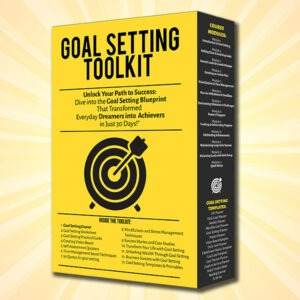
GOAL SETTING TOOLKIT – Unlock Your Path to Success: Dive into the Goal Setting Blueprint That Transformed Everyday Dreamers into Achievers in Just 30 Days!
Author
-
 Lisa Arien is a and lead writer at Self-Help Powers, where she merges her with real-world experience to help readers achieve lasting personal growth. Known for her ability to simplify complex psychological concepts, Lisa empowers individuals to turn self-awareness into action. Her insights have been featured in , establishing her as a trusted guide in the field of self-improvement.


